I moved to Grand Junction on purpose. That’s worth saying upfront, because a lot of people end up here by accident: a job transfer, a partner’s decision, a random detour off I-70. I researched it, chose it, bought a house here, and I’ve never once thought seriously about leaving.
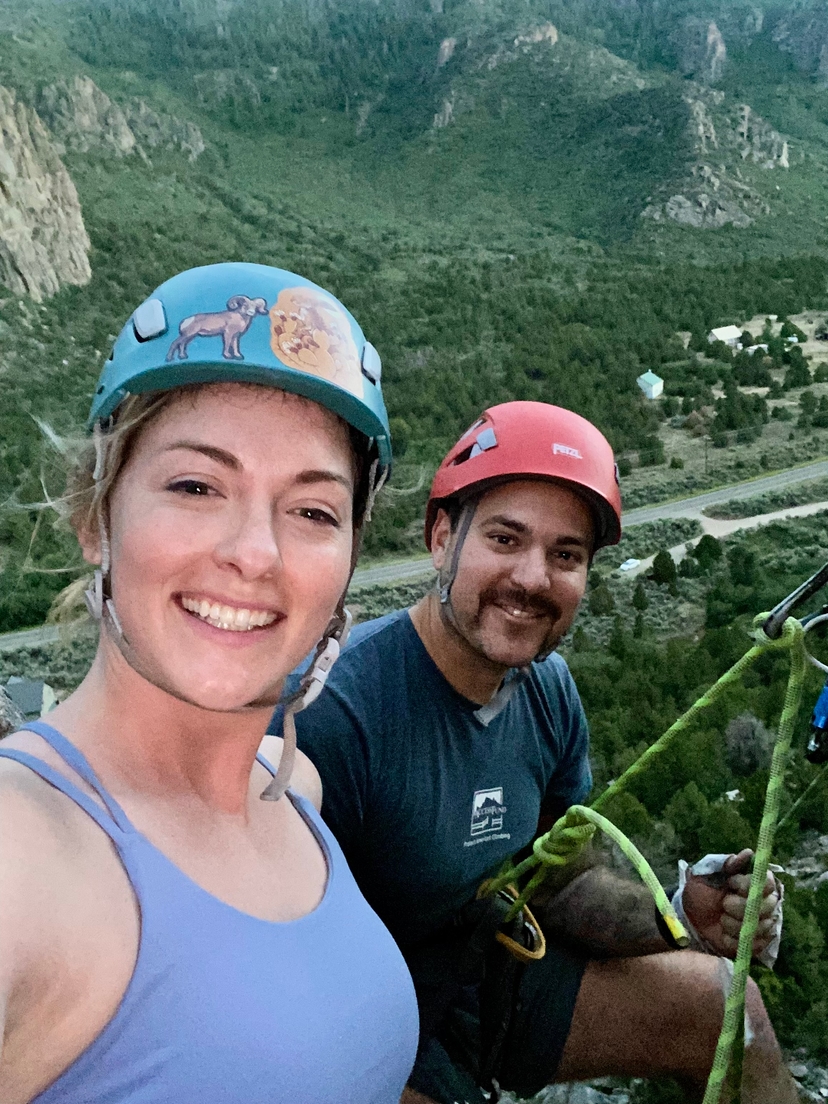
I’m a web designer. My wife is an RN at St. Mary’s. We’re raising two daughters here. We mountain bike, hike, climb, ski, and spend as much time outside as we possibly can. So take this for what it is: one family’s honest experience living in a place that most people have never seriously considered.
Why Grand Junction?
The short answer is outdoor access. The longer answer is that I’ve never lived anywhere that puts you this close to this much variety.
Depending on where you are in town, you’re never more than 15 to 20 minutes from a great trail system. That’s not a selling point. That’s just a fact about the geography here, and it took me a little while after moving to fully appreciate it. You don’t plan a big outdoor day. You just go.
For mountain bikers, Lunch Loops sits right at the edge of town and is as technical as anything you’ll find in the West. 18 Road in Fruita is famous for flow, and people make pilgrimages out here for it. Kokopelli has both, plus views of the Colorado River cutting through the canyon that will stop you in your tracks. I’ve ridden all three more times than I can count and they don’t get old.
But it’s not just biking. Rafters run the Ruby/Horsethief Canyon stretch of the Colorado, which is one of the more beautiful multi-day river trips in the region. Kayakers and paddleboarders have their pick of flatwater at Connected Lakes, Snooks Bottom, Corn Lake, and Highline Reservoir.
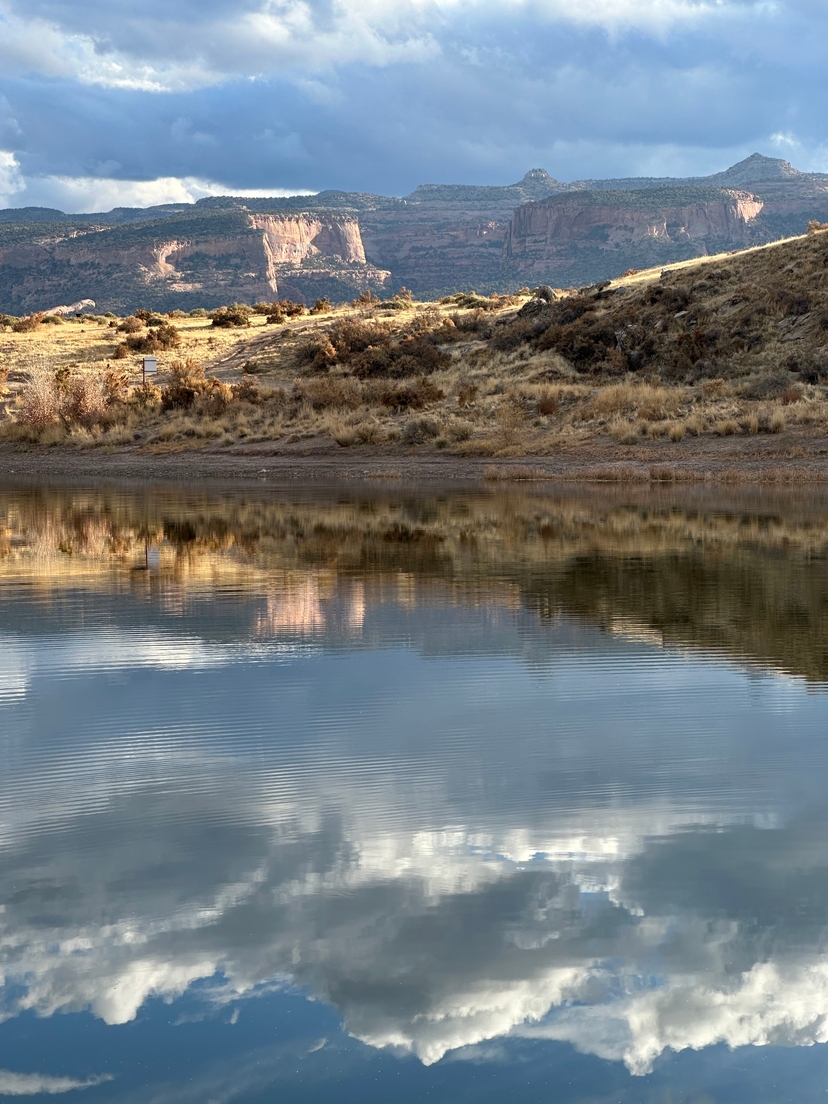
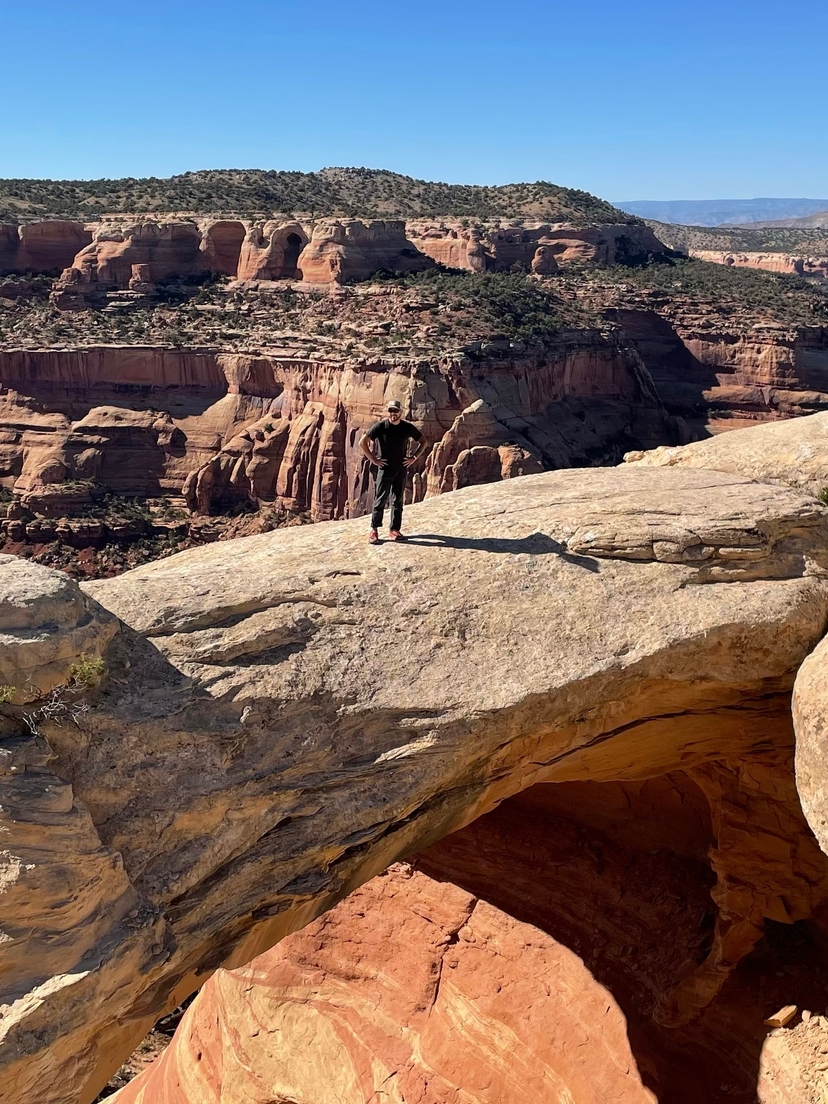
Hikers can explore Colorado National Monument, which sits right on the edge of town and is genuinely world-class: massive red rock canyons, desert towers, and almost no crowds compared to what you’d find in Moab or Sedona. If you have dogs, McInnis Canyons National Conservation Area gives you hundreds of thousands of acres where they can actually run.
For climbers, Unaweep Canyon has granite bouldering and trad routes. The Monument has Indian Creek-style splitters (softer rock, but the moves are there). And Rifle, one of the best sport climbing areas in the country, is only 90 minutes away.
Then there’s everything within a day’s drive. Moab is 90 minutes. The San Juans, some of the most stunning mountain terrain on earth, are a few hours south. Aspen is two hours. I backcountry ski the San Juans in the winter and also ski Powderhorn, which is 45 minutes from town. It doesn’t have the name recognition of a Telluride or a Steamboat, but it has great gladed skiing and lift tickets that don’t cost $250. That matters when you’re going every other weekend.
”But Isn’t It Kind of Remote?”
It’s on I-70. Denver is four hours east. Salt Lake City is four hours northwest. Las Vegas is seven hours.
Traffic is never bad. Trails get busy during peak season but never feel overwhelming the way Moab does. And for a city its size, GJ punches well above its weight on amenities. St. Mary’s Medical Center, where my wife works, functions as a regional hub for a huge stretch of western Colorado and eastern Utah. If you lived in a smaller mountain town (Durango, Moab, Glenwood Springs), you’d be driving to Grand Junction for serious medical care anyway. We also have a solid regional airport. We’ve taken direct flights to Phoenix, and flown to LA for Disneyland and Legoland with the kids without any connections.
The people who ask “isn’t it remote?” are usually thinking about it the wrong way. Remote from what? If your version of a good life involves traffic, crowded trails, and a mortgage that makes you sweat, then yes, GJ might not make sense. But if what you actually want is space, access, and the ability to get outside fast and often, then being 30 miles from the nearest town starts to sound less like a drawback and more like the whole idea.
The Cost of Living
Pull up Zillow and compare Grand Junction home values to the rest of Colorado or even southern Utah. The gap is obvious. We bought in late 2021 and our home has appreciated since then, but it’s still accessible by the standards of this region in a way that Denver, Boulder, or most mountain towns simply aren’t.
Beyond housing, visitors from the Front Range and Utah consistently comment on how much less they’re paying for groceries, gas, and restaurants here. It’s not rock-bottom cheap, but it’s noticeably better than what most people moving from Colorado’s big cities are used to. The outdoor lifestyle also changes the math in a way that’s easy to underestimate. The best trails are free. The river is free. When your weekend entertainment is riding Kokopelli or floating the Colorado, you’re not spending much.
The Thing That Actually Surprised Me
I expected to love the outdoor access. I didn’t fully expect how fast it would become routine, and in the best possible way. You stop treating it as a special occasion and start treating it as just what you do on a Tuesday evening after work. The Lunch Loops are 15 minutes from my house. I ride there after dinner and I’m back before dark.
That rhythm is hard to explain until you experience it. It changes the way you think about where you live.
A Few Other Things Worth Knowing
The downtown areas in both Grand Junction and Fruita are genuinely nice. Good restaurants, local breweries, and an actual sense of community. Not a Main Street that exists purely for tourists.
Palisade, about 12 miles east of town, is wine country. Colorado wine doesn’t get the attention it deserves nationally, and the fruit from Palisade, especially the peaches in late summer, is something people here get genuinely passionate about. If you show up in August, the peach stands are everywhere and the locals treat it like a holiday.
The seasons are distinct and the winters are mild by Colorado standards. We’re sitting at around 4,500 feet in the valley, which means more sun and less brutal cold than you’d get on the Front Range or in the mountains. Summers are hot, but the river and the lakes help, and you can always drive up to the Grand Mesa, which tops out above 10,000 feet, to cool down and find forests and lakes that feel like an entirely different world.
Is Grand Junction Right for You?
It’s not for everyone, and that’s part of why it works for the people it’s right for. If you need a big city (the nightlife, the density, the professional sports), this isn’t it. But if you’re someone who prioritizes being outside, wants to own a home without the Front Range price tag, and values a place where the trails don’t feel like a parking lot, GJ is worth a serious look.
I came here for the outdoor access. I stayed for all of it.
Have questions about living in Grand Junction? Reach out. I’m happy to give you a straight answer.